

8/9/2026
Good policy, tight timeline: Why AI infrastructure and renewable energy need to move together
By Roby Camagong, Co-Founder and Co-CEO, GreenPoint Energy
The renewable energy industry is rightly celebrating the Australian Government's move to require new AI infrastructure to offset its power use with new, additional renewable energy. It's a welcome step for our national net zero goals and creates a clear policy framework for data centre operators, renewable energy companies and investors.
But both AI infrastructure and renewable energy carry the downside, unless the two industries work closely together to make sure this policy can actually be delivered, both financially and practically.
Thoughtful engagement is needed now, and quickly, so that the legislation reflects the realities of building renewable energy at scale. The long lead times and commercial realities of renewable project development sit uneasily alongside the current pace of AI infrastructure rollout, and without careful planning,good intentions risk stalling before they get off the ground.
Aligning timelines
GreenPoint Energy was one of the first renewable energy companies to create a product to power an Australian data centre via an offtake agreement with Gunvor, through our Koolunga battery storage project in South Australia. It’s an example of a renewable energy developer and an AI infrastructure partner working together from the outset to ensure energy and demand are planned together.
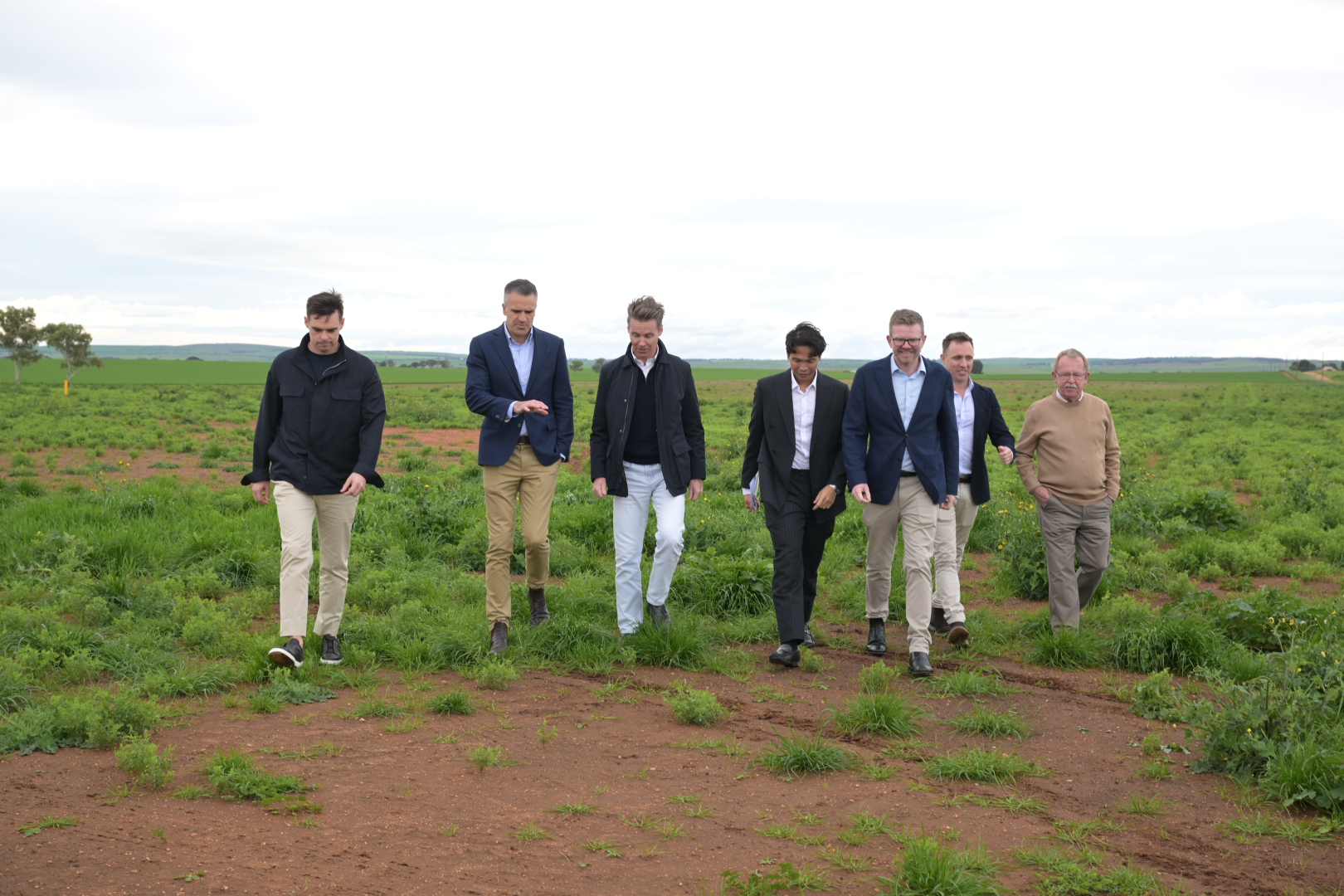
The Koolunga BESS was designed for customers with firm load requirements and aligned with Firmus’ plans to develop its AI Factories in areas with strong renewable energy resources and existing transmission capacity. It was a pleasure to recently welcome South Australian Premier Peter Malinauskas and showcase how GreenPoint Energy is delivering the flexible energy needed to support digital infrastructure that will be an engine for economic growth in South Australia.
That alignment won't always be practical. Data centres can be built in around two years. Wind projects, including our own Bell Bay development in Tasmania and Jackson North in Queensland, typically take five to seven years. That mismatch matters.
A requirement for a 100% match between a renewable energy source and a data centre's load, volume and timing could end up being a nail in the coffin for both.
It is clear the timelines being proposed to get data centres built and operational – around 2 years - is much shorter than what is required for a typical wind farm, which can often take closer to 4 or 5 years to develop and commence operations.
Hydro power may be the practical bridge in some cases like this. Other locations might not have access to renewable energy, which means that gas will be the only option. While Climate Change and Energy Minister Chris Bowen has flagged that there is a role for gas as firming or backup power, under the government’s proposed policy, it will be difficult for data centre developers to justify investment decisions due to the current construction timelines for renewable projects.
Recognising realities
Delivering a workable framework for AI infrastructure, powered by new renewable energy, will take input and coordination across the whole sector, one that recognises the physical and commercial realities of building renewable generation at scale,and stays flexible enough to keep pace with a renewable sector that continues to grow and change rapidly.
The commercial logic driving data centre investment is speed: developers are racing to service AI hyperscalers now active in the Australian market, and Westpac has estimated Australia's data centre investment pipeline could reach $150–155 billion by the end of the decade.
Getting the policy settings right is essential to realise this investment and ensure that the data centre build out does not put strain on the grid and come at the behest of the nation’s transition to a clean energy future.
It’s an opportunity to spur new renewable capacity and strengthen the grid, but it must be delivered on a timeline that is commercially viable and achievable, otherwise investment risks being stalled.
At the sametime, forcing a data centre onto a wind farm's development timeline creates its own commercial strain. Get the sequencing wrong in either direction, and the economics for both projects suffer.
Government’s need to acknowledge the “chicken and egg” around the financing for new projects. Without a sensible step toward a workable offtake market, shortfalls between data centre and renewable build time lines remain likely.
Consultation essential
Government needs to run a genuinely coordinated process, with adequate consultation across everyone involved in AI infrastructure and renewable energy build out, so the policy delivers what the community needs while keeping the industry sustainable. The detail and the nuance will matter. If there's even a hint of a bubble forming in AI infrastructure, getting these settings wrong risks bursting it faster.
The coming months will be critical as government works toward legislation that can genuinely match renewable energy to AI infrastructure growth across thecountry. This is a moment for the whole sector to work with government to make sure Australia can deliver on its 82% renewable electricity by 2030 target, and on the enormous opportunity now in front of us.
GreenPoint Energy
GreenPoint Energy(GPE), a subsidiary of Equis, is led by its founders: David Russell, Roby Camagong, and Mahesh Reddy Indluri. GPE operates one of the largest independent energy transition portfolios in the National Electricity Market. The GPE founders have raised and managed AUD $6.1 billion of equity. This has been invested into over 250 renewable energy and energy transition assets across 10 countries, including GPE and Equis Energy (now VenaEnergy).
Please click here to access the article in The Australian.